
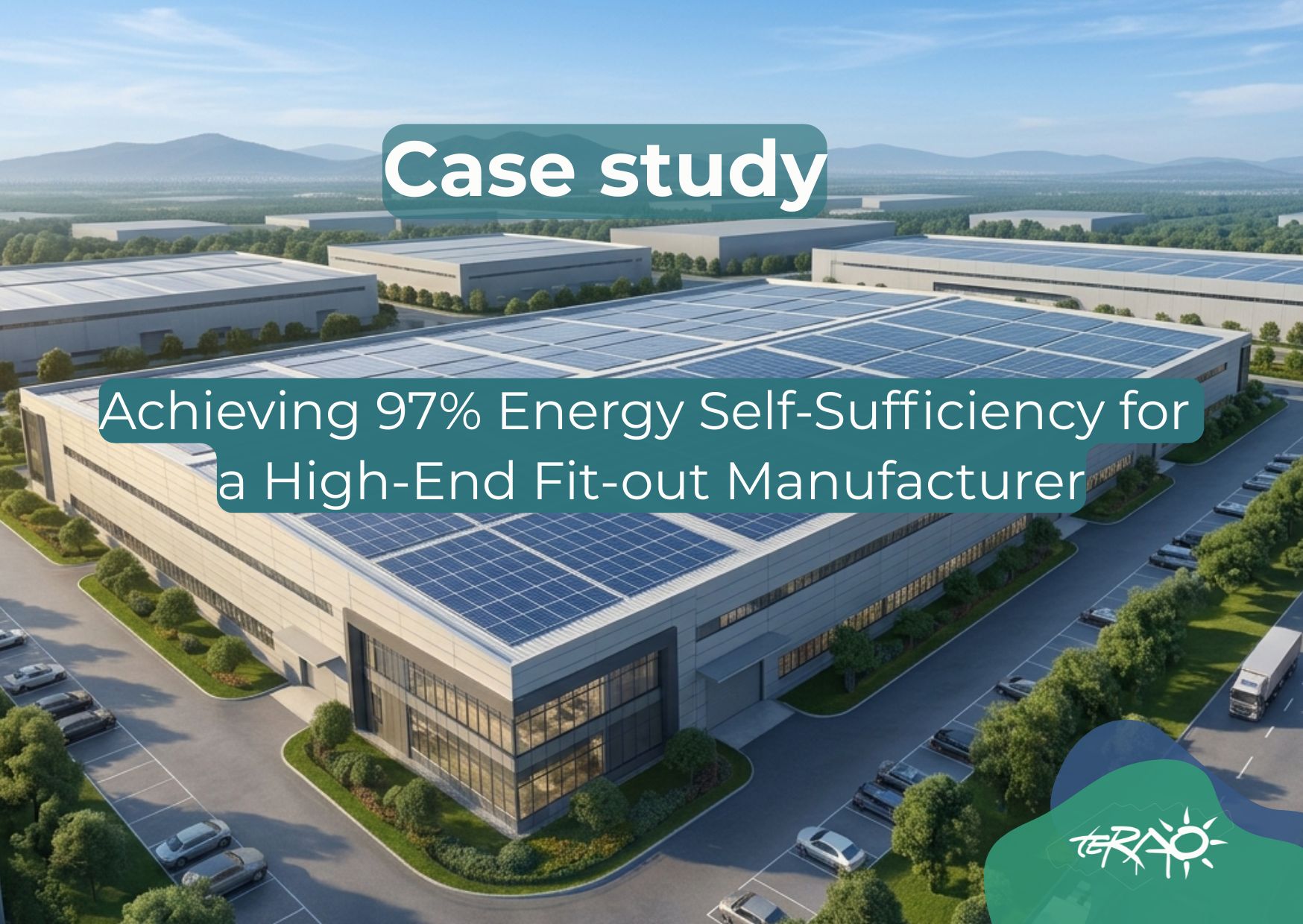
The Challenge: Balancing Industrial Scale with Human Comfort
A leading manufacturer in the luxury retail furniture and fit-out sector sought to optimize its new production facility in China. The project faced a dual challenge common to large-scale industrial sites:
- Extreme Seasonal Discomfort: The workshop suffered from significant overheating in the summer and overcooling in the winter, with discomfort levels exceeding 25% of the year.
- Energy Intensity: Operating a modern factory requires high energy loads for interior equipment, HVAC, and lighting.
Our mission was to transform this facility into a high-performance building that ensures worker well-being while significantly reducing its carbon footprint.
The Strategy: Data-Driven Climate Resilience
Unlike standard assessments, we took a long-term perspective by utilizing 2030 climate projections. By simulating future weather patterns – including Nantong’s peak temperatures of 35.8°C and high humidity levels – we ensured that the technical solutions implemented today would remain effective in the warmer climate of the next decade.
Key Interventions
1. Passive Envelope Optimization
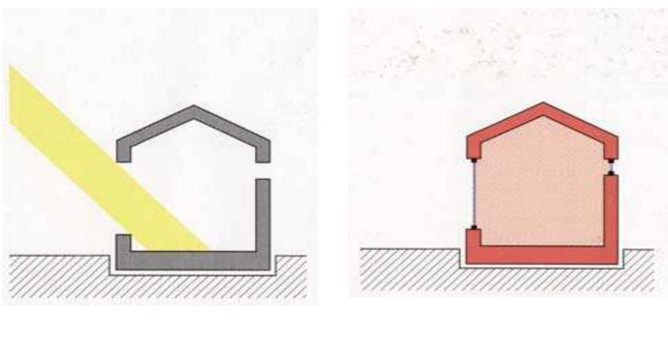
We treated the building’s “skin” as the first line of defense against high solar radiation. By utilizing advanced glazing treatments and high-reflectivity roofing materials, we significantly reduced heat gain before it could enter the workshop. This reduced the initial thermal load, allowing for smaller, more efficient mechanical systems.
2. Intelligent HVAC & Airflow
Rather than simply increasing cooling capacity, we implemented a sophisticated airflow strategy. By combining intelligent setpoint management with targeted heat exhaustion – removing high-temperature air directly from production machinery – we maintained an optimal working environment for workers while significantly reducing overall energy consumption.
3. Smart Lighting & Renewables
To achieve near-zero energy impact, we optimized two major factory overheads:
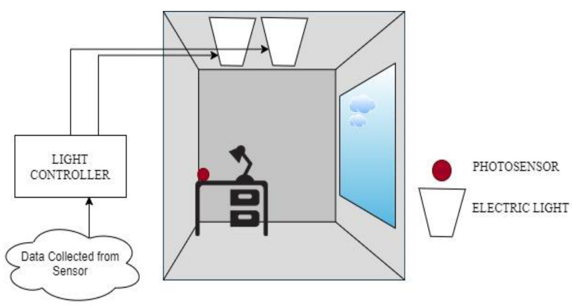
- Automated Lighting: Sensors were integrated to prioritize natural daylighting, reducing one of the site’s primary energy-consuming components.
- Renewable Energy: We transformed the facility’s expansive roof into a high-capacity power plant, custom-sizing a Solar PV system to meet the factory’s newly optimized energy profile.
The Results: Near-Zero Energy Impact
The simulation results showcase a facility that is not only more comfortable but also remarkably self-sufficient.
| Metric | Achievement |
| Annual Energy Consumption | 1,080 MWh/year |
| On-Site Solar Generation | 1,051.7 MWh/year |
| Energy Offset | 97.3% of total consumption |
| Thermal Comfort | 98.6% comfortable hours annually |
| Improvement | Significant reduction in summer/winter discomfort |
By combining thermal comfort simulations with renewable energy strategy, we demonstrated that industrial facilities do not have to choose between worker productivity and environmental goals. This project serves as a blueprint for the “Factory of the Future” – resilient, comfortable, and nearly energy-neutral.
High energy self-sufficiency isn’t just about covering a roof in solar panels. It requires a fundamental optimization of the building’s thermal behavior to ensure the renewable system can actually meet the load.
Are you looking to optimize your manufacturing facility’s energy efficiency, reduce utility costs, and achieve your corporate decarbonization targets?
Contact the TERAO Asia team today to learn how our data-driven building simulations can future-proof your industrial assets.
Leave A Comment